
I was thirteen when my first book got published, and I did it with Paper Towns. Looking back, I think the age mattered less than people assume it would. What actually shaped that whole experience was how little I understood about publishing itself, all the stages a book moves through before it ever reaches a reader.
If you’re sitting on a finished manuscript right now, feeling like you’ve crossed the finish line, I want to gently tell you that you haven’t. That sounds discouraging, but it isn’t meant to be. It’s meant to save you the disorientation I felt when the writing stopped and a whole new, yet, very essential, kind of work began.
Finishing the manuscript is not the end
There’s a strange myth that gets handed to young writers, that the manuscript is the mountain and publication is the flag you plant at the top. In reality, the manuscript is more like base camp. What happens between “I finished a draft” and “this is a book people can buy” involves rounds of editing you didn’t plan for, structural questions you hadn’t considered, and a version of your story that looks nothing like your first draft by the time it’s done. I had written what felt like a complete book. My editor read it and asked questions about pacing and character motivation, and I understood then how much distance still sat between what I had written and a finished book. That distinction matters, and the sooner you make peace with it, the less painful revision feels.
Writers who’ve been through this often describe the same jolt. A number of debut authors interviewed for Write or Die Magazine talked about the emotional weight of realizing they couldn’t control every part of how their book turned out, no matter how much effort they put in. I felt that keenly. You can only control the work in front of you. The rest is collaboration, timing, and a little bit of luck.
If you wish to know in detail about the process of self-publishing, from start to end, read our blog here.
Editing is not a judgment of your talent
I used to take every editorial note personally, as though a suggested cut meant my writing wasn’t good enough. It took me a while to understand that editing is a process of figuring out what the book actually wants to be, which is often different from what you set out to write. Some of my favorite lines never survived the second draft. That stung at the time, and now I barely remember what they said.
The example I keep returning to is The Waste Land. Eliot’s original draft ran considerably longer and looser than what the world eventually read, and it was Ezra Pound’s heavy editing and cuts that shaped it into the poem now considered one of the most influential works of the twentieth century. Eliot himself credited Pound with transforming the piece. If a poem that significant needed another set of eyes to become what it was meant to be, I try to remember that my own drafts probably need the same thing, and that needing an editor was never a sign of weakness in the writing to begin with.
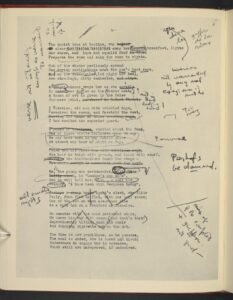
Courtesy: The British Library. The draft of ‘The Waste Land’ by T.S. Eliot with Pound’s editorial notes
What helped was learning to separate the writer in me from the editor working with me. Their job was to serve the book, not telling me that I was the worst author they’d set eyes on. Once I stopped hearing feedback as criticism of my worth, I could actually use it. If you’re heading into this process for the first time, try to hold your drafts a little loosely. I know it’s your baby, the version you’re proudest of right now, but the final version may look very different. That’s simply how books get made.
The business side sneaks up on you
Nobody tells you how much of publishing a book has nothing to do with writing at all. There are contracts to read, rights to understand, timelines that depend on printers and distributors and marketing calendars. At thirteen, I didn’t fully grasp what a royalty structure meant or why publication dates get chosen the way they do. I learned by asking a lot of questions, sometimes the same one twice, and by trusting the people around me at Paper Towns to walk me through it patiently. Writing a book makes you an entrepreneur without you realizing.
If there’s one piece of practical advice I’d give anyone approaching their first book deal, it’s this: read everything before you sign it, and don’t be embarrassed to ask what a clause means. Publishing has its own language, full of terms like advance, backlist, and rights reversion, and you are allowed to not know them yet. Nobody expects a first-time author to walk in fluent.
Your book needs an audience, and audiences take time to build
I assumed that once the book existed, readers would simply find it. That’s rarely how it works. Authors who’ve self-published often talk about how much of the real work happens after the manuscript is done, in the quieter effort of building a readership through consistent presence rather than a single launch moment. One writer reflecting on her own self-publishing experience mentioned regretting that she hadn’t started building an online presence earlier, because marketing a book without an established audience turns into a much steeper climb.
Courtesy: Jane Friedman
I didn’t have years to build a platform before my book came out, so I leaned on the people who already believed in the project, my publisher, my early readers, my family, and friends. Word of mouth did more for that book than I expected it to. If you’re publishing your first book, don’t wait until it’s out to start talking about it. Start now, in whatever small way feels honest to you.
Reviews will not always be kind, and that’s fine
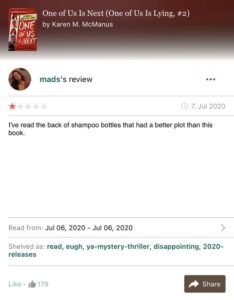
The first time someone left a review that didn’t love my book, I read it about six times, looking for the part where they were secretly wrong. They weren’t wrong. They just weren’t the right reader for that story, or they wanted something the book wasn’t offering. Learning to let a book exist separately from my own sense of self was one of the harder emotional shifts of that whole year. A book is a piece of art, and art is subjective. Not every reader has to love what you made.
Courtesy: BoredPanda
What I’d tell my younger self
I wouldn’t tell her to write a better book. I’d tell her that publishing is a process with its own rhythm, that it takes a village to raise a book, and you need to trust your village.
If you’re standing where I stood, know that there’s a lot more coming your way, and while it might be difficult, all good things are.
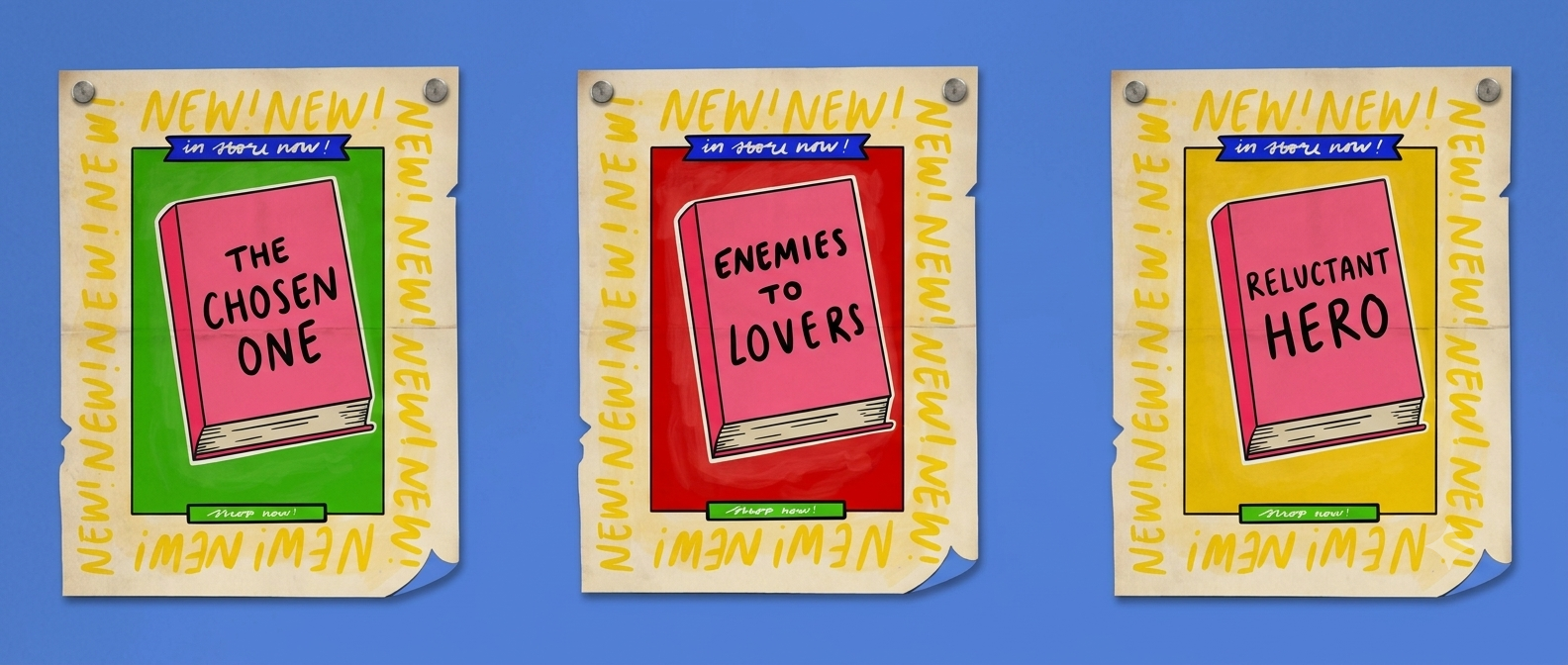
Courtesy: Thunder Dungeon


This blog is more than informative, it’s a very pure and wholesome piece of writing, which does feel personal to the writer of this (a.k.a you). I’ve read your first book and to know your thoughts and your experiences of writing that is gotta be the best part of the day.
I would really wish to see more blogs on your experiences. We could learn alot from that 13 yr. old girl who poured her heart in shape of words.
I feel proud of you ❤️
Informative and practical content. Highly useful for writers.
Truly a unique, well researched and thoroughly insightful blog which one is fortunate to have after very long long time. May Ms Anoushka keep raising the bar like she always has in the past as well.