

You wrote the book. You edited it eleven times, cried once, renamed your protagonist twice, and finally hit publish. Champagne moment, right?
Then the silence hits. No launch party thrown by a publicity team. No bookstore window display. Just you, your manuscript, and a blinking cursor asking what happens next.
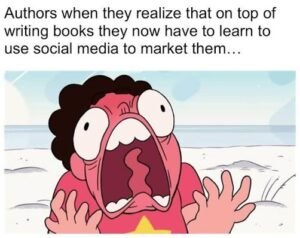
Courtesy: Threads
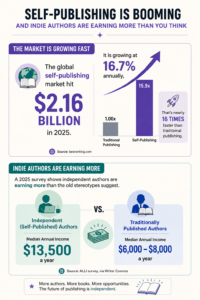 The good news? You don’t need a publisher’s marketing department to get readers. You need a plan, some consistency, and the willingness to be a little shameless about your own book. The self-publishing world isn’t the underdog story it used to be either. The global self-publishing market hit $2.16 billion in 2025 and is growing at 16.7% annually, nearly 16 times faster than traditional publishing. Independent authors are also earning more than the old stereotypes suggest, with a 2025 survey putting median indie author income at $13,500 a year, comfortably ahead of the $6,000 to $8,000 median for traditionally published authors. To know more about whether self or traditional publishing is the right fit for you, read this blog.
So no, you’re not shouting into a void, in fact you’re joining a very crowded, very real marketplace. Here’s how to actually get heard in it.
Build the foundation before you build the buzz
1. Nail your book’s one-line pitch. If you can’t describe your book in a single sentence that makes a stranger lean in, your marketing will always feel scattered. Work on this before anything else. Think of it as the line that goes on a bookstore shelf talker.
2. Get a cover that competes with traditionally published books. Readers judge books by covers, always have, always will. A cover that looks self-published in the wrong way (bad fonts, stretched stock photos) will overshadow everything else you do. While tools like Canva and Adobe have made designing easier, if you’re still confused, this is the one place worth spending money rather than DIY-ing it.
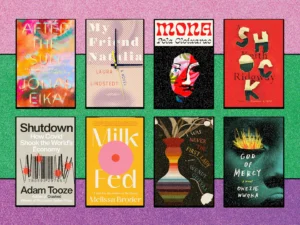
Courtesy: The Washington Post
3. Set up an author page before launch, not after. Amazon author page, Goodreads profile, a simple website or even a well-organised Instagram bio. Readers who finish your book and want more of you should find somewhere to land. Don’t make them hunt.
4. Collect early reviews before the official launch. Reach out to book bloggers, Bookstagrammers, and reading communities for advance reader copies weeks before publication. A book with zero reviews on day one looks untested while one with fifteen looks trustworthy.
Use social media like a reader, not an advertiser
5. Pick one platform and go deep before spreading thin. Trying to be everywhere at once usually means being mediocre everywhere. TikTok’s BookTok community alone has driven massive real-world sales, with #BookTok content linked to an estimated 59 million US print book sales in 2024 (Amra and Elma). If your book has strong emotional beats or a twist, BookTok rewards that instinctively. If your book is more about aesthetics, mood, and lifestyle, Bookstagram might be the better fit, since it thrives on cosy flat-lays and annotated quotes (Pages & Prose).
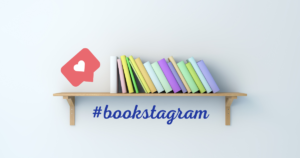
Courtesy: Publish Drive
6. Talk to readers. Comment on other people’s book posts. Join conversations about your genre. Recommend other authors. You need to look at marketing as more of an interesting conversation than a bombardment of ‘BUY MY BOOK’.
7. Repurpose one piece of content five different ways. One good idea, like a favourite line from your book or the real story behind a character, can become a TikTok, a carousel, a tweet, a newsletter blurb, and a blog post. Squeeze every idea for all it’s worth before moving to the next one.
8. Show the process. People connect and relate more with drafts, playlists, behind the scenes, and the chaos of your editing spreadsheet far more than they connect with a polished ad. Authenticity outperforms on these platforms almost every time, because most readers are desperately searching for humanness and interpersonality in today’s machine-driven world.
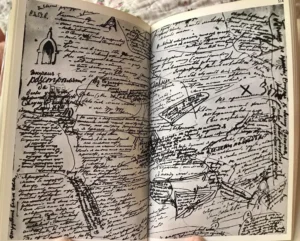
Fyodor Dostoyevsky’s Manuscript Draft of The Brothers Karamazov
Build a reader community
9. Start an email list from day one. Social platforms change their rules constantly. Your email list is the one audience you actually own. Offer a short bonus story, a deleted chapter, or a free short piece in exchange for signups, then keep in touch without spamming.
10. Ask readers to leave reviews, directly and specifically. Most readers who loved your book simply forget to review it. A gentle nudge at the end of your book or in your newsletter, asking for an honest review on Goodreads or Amazon, works better than you’d expect.
11. Find your genre’s existing communities. Every genre has its own corner of the internet, from fantasy Discord servers and romance Facebook groups to Indian poetry circles on Instagram. Join these as a reader first. Once you’ve actually contributed something to these communities you can promote your book without sounding too salesy.
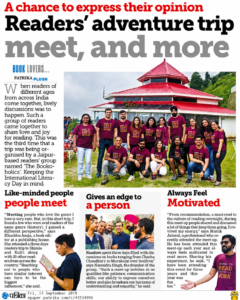
Courtesy: Patrika
A great example is The Bookoholics, an active community where readers, writers, and book lovers come together to discuss books, discover new voices, and celebrate literature. It’s the kind of space where genuine engagement often leads to meaningful visibility for authors. To know more, check out @thebookoholics.in on Instagram.
12. Consider direct-to-reader sales. Nearly a third of self-published authors are now selling directly to readers outside Amazon, and another third plan to start in 2026. This means higher margins for you and a direct relationship with your audience, though it does mean more legwork on shipping and payments.
Think local, think smart
13. Pitch to Indian book bloggers and Bookstagram accounts specifically. Global BookTok trends are useful, but don’t skip the readers closest to you. Indian book communities are hungry for homegrown voices and often more accessible for a first-time author than trying to break into international algorithms.
14. Get into physical spaces. A reading at a local café, a stall at a book fair, a pop-up at a college fest. These feel old-fashioned next to a viral TikTok, but they build loyal, word-of-mouth readership. Don’t be afraid to take your voice to the public.

Courtesy: Young Poets Network
15. Pair up with other indie authors for cross-promotion. Shoutouts, joint giveaways, guest posts on each other’s newsletters. Someone else’s readers are the fastest way to reach new readers who already like books like yours.
16. Track what’s actually working. Not every tactic will suit every book. Watch which posts get saves and shares rather than just likes, which emails get opened, which reviews mention how they found your book. Double down on what’s working and drop what isn’t, without ego. Analyzing feedback is as important as seeking it.
The last, most important point
17. Play the long game. Book marketing without a publisher rarely produces overnight virality. It produces slow, steady traction that compounds over months. Be patient and consistent, treat your readers like people who love your work rather than numbers on a chart, and trust that a good book with real marketing behind it eventually finds its way to its audience.
You have already won the tougher battle—you finished writing the book. Everything on this list is simply about making sure the right readers get the chance to fall in love with it too.
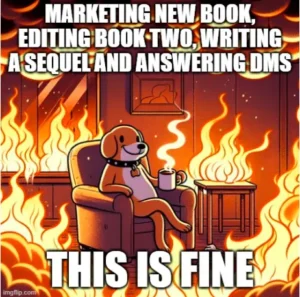
Courtesy: Ebook Writers UK

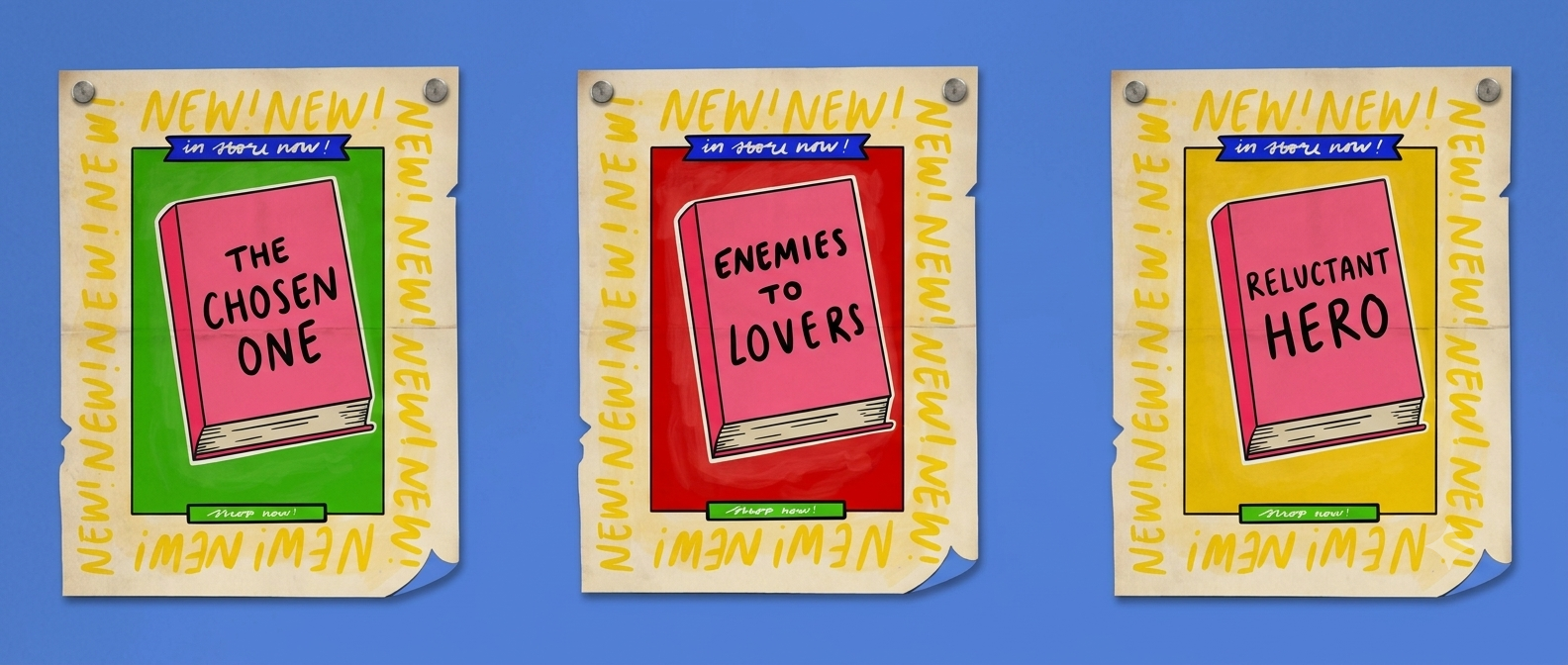

Publishers graphic representation skills are so good. Wish I had some
This clears so many questions about publishing your book. Its so much simpler now. I highly recommend this page to every writer
Gotta say it I am so loving the idea of putting memes in blogs, cause you’ve recently been doing it in alot of your blogs. And more importantly, how do you manage to find so many points, like 17 of them in just a single blog. Your marketing and self publishing blogs actually reflect your own experience pretty well, all that you had to go though while you published 3 books.
Also, There was this one point which really excited me which is “short bonus story, a deleted chapter”. I love this idea cause it feels like a subscription or a membership type thing, like you get an exclusive footage or a piece of that art. I would love to read the deleted chapters of the books that I have read (including yours).
Really liked how this focuses on the part of self-publishing that often gets overlooked — publishing the book is only half the journey. The emphasis on building genuine reader communities instead of just constantly pushing “buy my book” is especially important. Great practical roadmap for indie authors!