
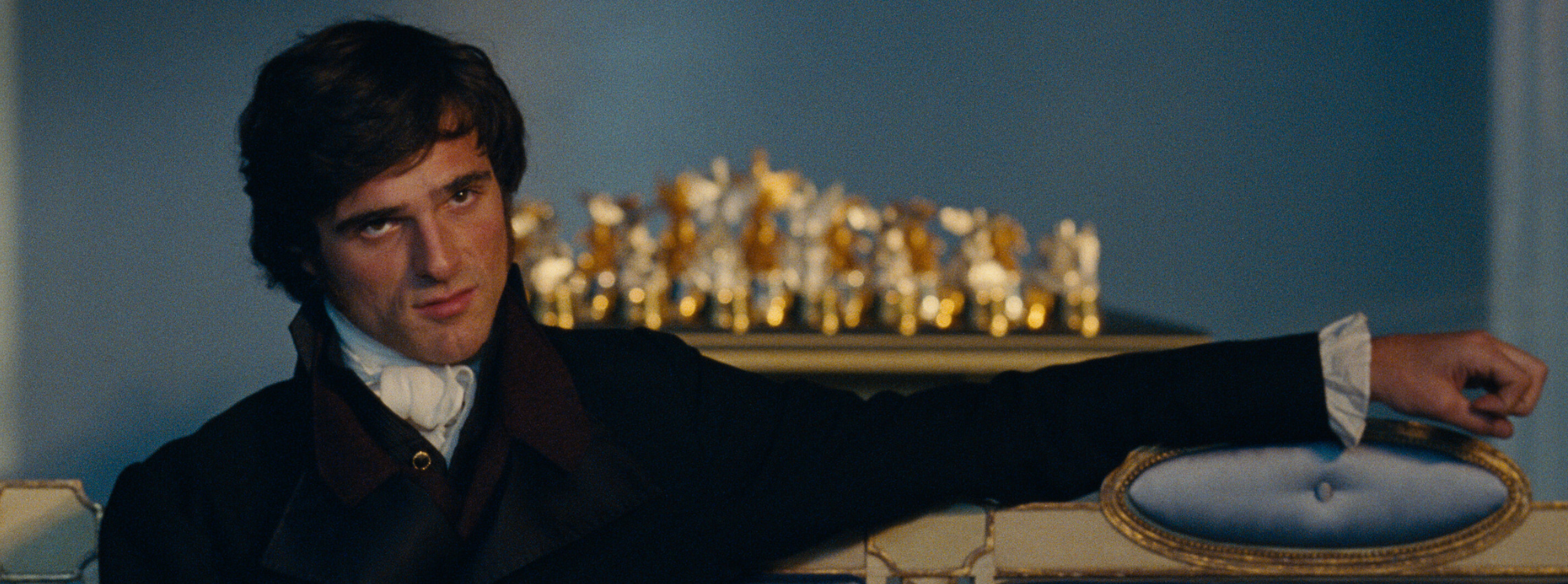
Nobody opens a novel hoping the protagonist will behave impeccably from the first page to the last. We want the mess. The bad decisions, the petty grudges, the choices made at 2 a.m. by candlelight, or in a few of the cases below, by moonlight and considerably worse judgement. Flawed characters are the reason we keep reading past our bedtime, and somewhere between their worst instincts and their sharpest lines, quite a few of them turned out to be handing out advice worth paying for. They just never sent the bill.
Here are twelve of literature’s most gloriously flawed people, and the wisdom they left behind without ever meaning to.
Courtesy: Wizarding World
The flaw: Bitterness with a decade-long lease and no intention of moving out.
Snape spent years tending a grudge so precise it eventually reshaped how he treated a child who hadn’t even been born when the original wound was inflicted. It’s a small masterclass in what happens when pain hardens into personality. Underneath the greasy hair and the classroom cruelty sits a fairly blunt lesson: being hurt doesn’t give you a lifetime pass to hurt other people back. Left untreated long enough, old wounds stop being memories and start making decisions for you, and one day you look up to find you’ve become someone your younger self would barely recognise.
Courtesy: Reddit
The flaw: Emotional detachment, arrogance, and a chemistry set he probably shouldn’t have been left alone with.
Holmes could read your entire biography off the mud on your boots, yet somehow never worked out that human connection might be worth the trouble. Being the cleverest man in every room he entered didn’t stop him needing Watson to show up in person and haul him back from the edge of his own boredom. The takeaway, elementary as it sounds, is that brilliance and contentment are simply not the same currency, and being right about everything will never once keep you warm at three in the morning.

Courtesy: Lifestyle.INQ
The flaw: A trust deficit wide enough to survive an actual arena.
Katniss carried the whole of District 12 on her back, convinced that no one else could shoulder it alongside her, an understandable reflex for a girl whose childhood taught her that depending on people tends to get them killed. It makes for an exhausting life to watch from the outside, and presumably an even more exhausting one to actually live. What she comes to learn, somewhere between the arena and the rebellion, is something closer to relief than defeat: letting someone else carry part of the weight isn’t a failure of nerve. If anything, it takes more courage than carrying everything alone ever did.
Courtesy: The New Yorker
The flaw: Main character energy at the creation stage, deadbeat energy at literally every stage after.
Victor is proof that a very ordinary human failing can look almost majestic with the right amount of lightning behind it. He wanted the thrill of the breakthrough and none of what came galloping after it out of his laboratory. Starting something bold is always the easy, exciting part. Sticking around once it’s loose in the world and needs looking after is the actual work, and Shelley built an entire Gothic classic around the simple fact that running from your own mess only ever makes it larger, and considerably angrier.
Courtesy: Films in Retrospective
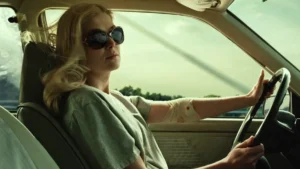
The flaw: A control complex with a five-year plan and a bloody kitchen floor.
Amy built a version of herself so flawless it amounted to a hostage situation against her own personality. Whether it was the perfection she performed or the perfection she demanded of Nick, something in that arrangement was always destined to give way, because no one can hold a facade together forever, and no one should be expected to try. A relationship that requires either person to stay in character round the clock isn’t much of a romance. It plays out more like a one-woman show with an unreliable narrator, and every show, however dazzling its reviews, eventually goes dark.

Courtesy: Kompas.com
The flaw: Vanity and a portrait doing all his emotional labour for him.
Dorian outsourced his conscience to a canvas so he could spend decades looking immaculate while quietly rotting on the inside, which reads either as the most extreme skincare regimen in literary history or as one of Wilde’s sharper metaphors, depending on how seriously you’re taking him that week. Either way, the moral survives outside the painting: looking unbothered is an entirely different accomplishment from actually being unbothered. Whatever you refuse to deal with rarely disappears. It tends to sit quietly in some locked room of yourself, earning interest, until the day the bill finally arrives.

Courtesy: The New York Times
The flaw: A grudge that outlived several generations and possibly the moors themselves.
Heathcliff turned heartbreak into a decades-long renovation project, rebuilding his whole life around the single goal of getting even. The trouble with revenge, as Brontë’s bleakest romance keeps insisting, is that plotting it for years does nothing to close the original wound. It simply builds an elaborate structure of scheming on top of it, filling up all the space where healing might otherwise have happened. Heathcliff never gets anywhere near peace. What he gets instead is remarkably skilled at haunting people, which is, admittedly, on brand.

Courtesy: Variety
The flaw: Ambition with absolutely no off switch.
“Unsex me here” is not, historically speaking, an ideal opening line for a sound career strategy, though Lady Macbeth commits to the bit with a ruthlessness Shakespeare clearly relished writing. The real trouble was never her wanting more for herself. It was deciding that nothing, however sacred, counted as off-limits in pursuit of it. Ambition without any boundaries doesn’t just cost the people around you. Eventually, as she discovers scrubbing at her hands in the dark, it costs you your sleep first, and then it comes for everything else.

Courtesy: Dirk Bogarde
The flaw: Self-loathing, a drinking problem, and a decade or two of squandered promise.
Carton spends most of the novel as a walking cautionary tale: brilliant, wasted, and thoroughly convinced of his own worthlessness. Then, in the final stretch, he does the one extraordinary thing available to him, and it quietly rewrites everything that came before it. It’s Dickens’s way of arguing that your worst chapters don’t get to have the final word. One good decision, timed right, can still change how the whole story ends.
Courtesy: Fandom
The flaw: Opportunism and a habit of treating people as rungs on a very glamorous ladder.
Evelyn claws her way to the very top of old Hollywood with a ruthlessness that’s genuinely admirable right up until you start noticing the bodies, mostly figurative, left behind along the way. Success, Taylor Jenkins Reid seems to argue, holds up rather poorly once you’ve alienated everyone who might have actually celebrated it with you. Evelyn ends up with the mansion and the fame, and for a very long stretch, no one left to share the view.

Courtesy: College Fashion
The flaw: Losing her entire sense of self somewhere between biology class and a vampire’s bedroom window.
Bella’s entire world narrows to the exact dimensions of Edward within about a chapter and a half, and while that intensity is more or less the whole appeal of the genre, it also doubles as a fairly obvious warning label. Falling hard for someone is one thing. Vanishing into them so completely that your friends, your hobbies, and your personality all shrink to a rounding error is something else entirely, and Meyer spends four increasingly moonlit books mapping the distance between the two.
Courtesy: BBC
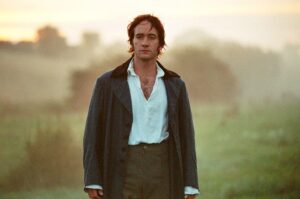
The flaw: Pride so tall it required its own postcode, and a habit of judging rooms before he’d bothered to meet the people in them.
Darcy walks into Meryton, decides the whole room is beneath him, and spends the rest of the novel slowly and reluctantly eating those words. Austen’s real argument, tucked under all the muslin and the disastrous first proposal, is that first impressions are only ever a rough draft rather than a final verdict, and that the biggest obstacle standing between Darcy and his own happiness was never Elizabeth’s family or her lack of fortune. It was his own conviction that he’d already worked everything out.
What all twelve of them prove, scattered across gothic mansions, dystopian arenas, and Regency drawing rooms, is that flawless characters fade from memory while flawed ones stay lodged in it, mostly because they resemble us on our worse days. Snape’s grudges, Darcy’s ego, Bella’s vanishing act: none of it is aspirational, though all of it is uncomfortably recognisable. That’s the trick good fiction manages every time. It holds up a mirror shaped like a total stranger, and somehow you still catch your own reflection in the cracks.
So the next time some character in your TBR pile makes a spectacularly bad decision, resist the urge to just wince and turn the page. Take notes instead. Their disasters have already done the hard work of figuring out what not to do. The least the rest of us can do is actually learn from it.




Excellent work! Very informative. Wrote about the most famous characters. I came to know about each character deeply. It was very interesting.
In most of the stories, it’s the main character who’s flawed, not shown as ‘perfect’. Maybe that’s why we love reading the story, not to know what will happen in the story, but to the character because of their flaws. Carrying a specific attitude will have it’s consequences, and I guess that is what we wait for — consequences.
“being right about everything will never once keep you warm at three in the morning” quote noted.
This blog taught me why people love seeing flawed characters and how important they are to make the readers/viewers stay, because that’s where they see themselves and are able to easily imagine being in the same situation as the character.