

One eventful day, you, a committed reader, pick up a book with fingers that have grazed hundreds of spines before. You flip the cover, start reading, and discover something awful: you can’t read anymore. Not literally, obviously. In the very specific, very terrifying metaphorical sense. Reading feels boring. Your holy grail, the book, has stopped pulling you in the way it used to.
Welcome to the reading slump. Rarely about falling out of love with books, and almost always a glitch somewhere in your routine, your environment, or your own expectations of yourself. Here’s what usually causes it, curated by a reader who’s slain this particular monster more than a few times.
Courtesy: Indigo
🎭 The Literary Hangover
Cause: you just finished an absolute masterpiece.
Symptom: every book after it feels bland, shallow, unworthy of your time.
Reality: your brain is still living in the last book’s world. You need a palate cleanser before you can commit to a new cast of characters.
🍽️ The All-You-Can-Read Buffet Paralysis
Cause: overwhelming choice, usually courtesy of BookTok, book-tracking apps, or a groaning unread shelf.
Symptom: forty-five minutes spent staring at spines, reading three first pages, and ending up on your phone instead.
Reality: decision fatigue. Too many options, and your brain picks the path of least resistance, which is doing nothing at all.

🛑 The Obligation Trap
Cause: treating reading like homework. Trudging through a hyped or dense book because you feel you should finish it, refusing to DNF out of guilt, or chasing an aggressive Goodreads goal until the whole hobby starts to feel like a second job.
Symptom: the same paragraph, read four times. Falling asleep after two pages. Avoiding a specific book, and by extension your entire reading chair, out of quiet dread.
Reality: a book can be brilliant and still be the wrong book for you right now. Forcing your way through a mismatch, or turning your reading into a performance metric, is the fastest way to make your brain rebel against a thing it used to love for free.
🔋 The Cognitive Battery Drain
Cause: a demanding job, high stress, or a season of life that’s already eaten your entire mental bandwidth.
Symptom: wanting to read, but lacking the actual processing power for complex sentences and plotlines.
Reality: reading is active work for your brain. At 5% battery, it will always crave something passive instead, like a video feed or a rewatch of something comforting.
📱 The Dopamine Hijack
Cause: overexposure to short-form, high-speed digital content built for instant reward.
Symptom: restlessness if a book hasn’t delivered a twist by page ten.
Reality: your attention span has been trained on micro-rewards, and books run on delayed gratification. The adjustment back to that slower, analog pace takes a little time.
🌋 Genre Fatigue
Cause: binge-reading the same sub-genre back to back until every book blurs into the last one.
Symptom: predicting every twist by page fifty, and genuinely mixing up which plot belongs to which book.
Reality: even a favourite genre turns predictable without a break. Brains crave novelty, and a formula consumed on repeat stops feeling like magic and starts feeling like a template.
It might be one of these, or several stacked on top of each other, but you’re in unusually good company right now. Reading for pleasure among Americans fell from 28% of people on an average day in 2004 to just 16% in 2023, a drop of roughly 40% over two decades, according to a 2025 UCL and University of Florida study, which is really just a very official way of confirming that the whole world’s been in a bit of a collective slump lately, and you’ve simply been the one paying attention.
How to Actually Get Out of It
Break the unspoken rules you’ve built around reading. A few single-step tactics to shock your brain out of the rut:
1. Vibe-Match: pick a book that mirrors whatever you’re currently obsessed with in real life. Craving travel? Angels & Demons will sprint you through Rome. Missing a beach holiday? People We Meet on Vacation. Sports-brained? There’s a romance plotted entirely around a hockey team, and it works.
2. The Bad Reader Playbook: DNF unapologetically, skip ahead if a chapter drags, and remember that you owe the book nothing. Reading is not homework.
3. Genre Shift: ban anything heavy for a while and switch entirely to graphic novels, manga, or comics. The visual format does half the work for you and gives you a fast, effortless sense of finishing something.
4. The Passive Audiobook Cruise: stop staring at the page and let a narrator do the heavy lifting while you drive, walk, or fold laundry. A gripping true-crime or celebrity memoir hooks fast.
5. A Comfort Reread: put down every hyped new release and return to something you’ve already loved. No new characters to learn, no risk involved, just a guaranteed good time.
6. Social Accountability Inversion: join a low-pressure book club, buddy-read with a friend, or post a live reaction thread. Turns reading from a solitary chore back into a shared, slightly chaotic event.

7. The Guiltless Power Nap: take a strict three-day break from every page of text, no exceptions, no guilt. Batteries need to recharge sometimes.
8. Lower the Bar, Aggressively: set a timer for seven minutes and read until it dings, or promise yourself exactly one page before bed. Either version tricks your brain past the hardest part, which is simply starting.
9. Literary Roulette: pull three unread books off the shelf, read exactly page fifty of each, and let instinct pick the winner. Cures choice paralysis on the spot.

10. Short & Light Diet: restrict yourself strictly to novellas, sub-200-page books, or breezy genres like a fluffy rom-com. Quick wins build momentum fast.
11. Multi-Book Rotation: keep three completely different genres on the go at once, a thriller by the bed, a self-help book in your bag, a romance on your phone, so there’s always something that matches whatever mood shows up.
13. The Environmental Reset: leave your phone in another room, find good light, and build a small reading sanctuary with zero screen competition. Romanticise it until it sticks.
Slump-Busting Recommendations
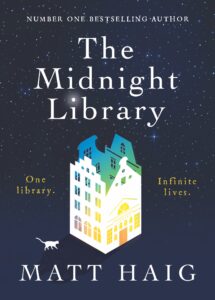
1. High-concept fiction: The Midnight Library by Matt Haig. Ultra-short chapters, a library between life and death, every alternate version of yourself waiting on a shelf.
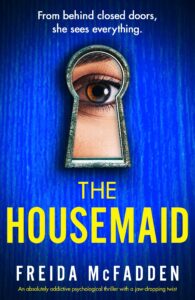
2. Psychological thriller: The Housemaid by Freida McFadden. Addictive, fast, built for reading past your bedtime.
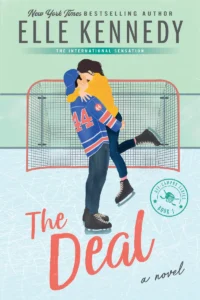
3. Sports romance: The Deal by Elle Kennedy. Snappy college energy plotted around a hockey team, pure effortless escape.
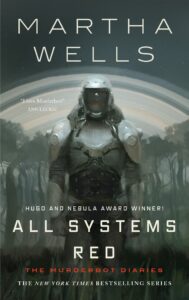
4. Sci-fi novella: All Systems Red by Martha Wells. Short, sharp, and narrated by a sarcastic security droid who mostly just wants to watch soap operas.
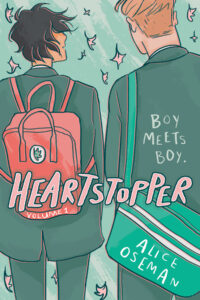
5. Graphic novel: Heartstopper by Alice Oseman. Warm, visual, finishable in one sitting, instant dopamine.
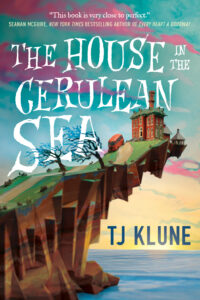
6. Cozy fantasy: The House in the Cerulean Sea by TJ Klune. Funny, tender, a caseworker and a house full of quietly magical children.
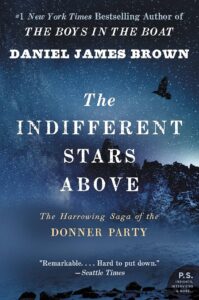
7. Narrative non-fiction: The Indifferent Stars Above by Daniel James Brown. A gripping, cinematic account of the Donner Party that reads like a survival thriller.
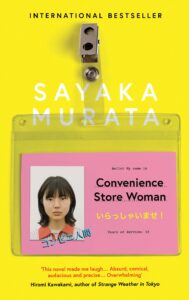
8. Contemporary fiction: Convenience Store Woman by Sayaka Murata. Short, deadpan, and strangely soothing.
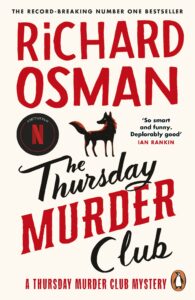
9. Humorous mystery: The Thursday Murder Club by Richard Osman. Four retirement-village friends solving cold cases on a Thursday. Delightful, low-stakes, hard to put down.
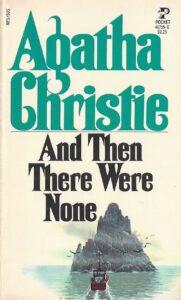
10. Classic mystery: And Then There Were None by Agatha Christie. Brisk, airtight, and still the gold standard for a plot you can’t put down.
And if none of that works today, close the book, watch your comfort show, and try again tomorrow. A slump? It’s just Tuesday, and Tuesday ends eventually.

Book cover images courtesy of Goodreads.



This. Is. Amazing. You not just gave reasons to why it’s happening but also solutions to it, and literally 13 of them. It feels like “whatever solution works for you… I’ve got your back”.
I loved how put so many pictures and made sure to write in points or short paragraphs. You divided your blog into parts, and all this because you know someone reading this must be going through a ‘reading slum’ and that would make it difficult for them to read big paragraphs. That’s very thoughtful ✨.
The Obligation Trap feels so true and personal, every artist goes through this when life hits them. When College and Jobs and internships start. Your fear of losing love for your art makes you read books or do the art just so that you don’t lose your interest in it, and that’s how it becomes your obligation.
Also, how do you manage to have book suggestions for every type of mood, situation and genres !?